Is JSM similar to ITSM?
Yes, JSM (Jira Service Management) is highly similar to ITSM (IT Service Management), as it is purpose-built as an ITSM platform. JSM extends Jira with dedicated ITSM features like incident management, request fulfillment, change management, SLAs, and customer portals, aligning closely with ITIL best practices.
While pure ITSM focuses solely on IT operations (e.g., via tools like ServiceNow), JSM emphasizes cross-team collaboration, ESM (Enterprise Service Management), and Atlassian ecosystem integration.
JSM is more agile and developer-friendly, with robust workflow customization, but may require configuration for complex enterprise ITSM needs compared to dedicated ITSM giants.
Related content
Is Jira Service Management the same as Jira Service Desk?
No, Jira Service Management is not the same as Jira Service Desk, but they are closely related.
Jira Service Desk was the original product launched by Atlassian in 2013 for IT service desk and basic ITSM needs, focusing on request management, queues, and customer portals.
Atlassian rebranded and evolved it into Jira Service Management around 2020-2021, adding advanced ITSM features like asset management (Insights), SLAs, incident alerts via Opsgenie, and broader support for non-IT workflows such as HR or facilities—while retaining all core Service Desk functionality.
Existing Jira Service Desk instances automatically upgraded to Jira Service Management, making the older name largely legacy, though some users and docs still reference it interchangeably.
What is Jira Service Management?
Jira Service Management is Atlassian's enterprise service management platform, evolving from the original Jira Service Desk to provide comprehensive IT service management (ITSM) and support capabilities.
What is the alternative to Jira Service Desk?
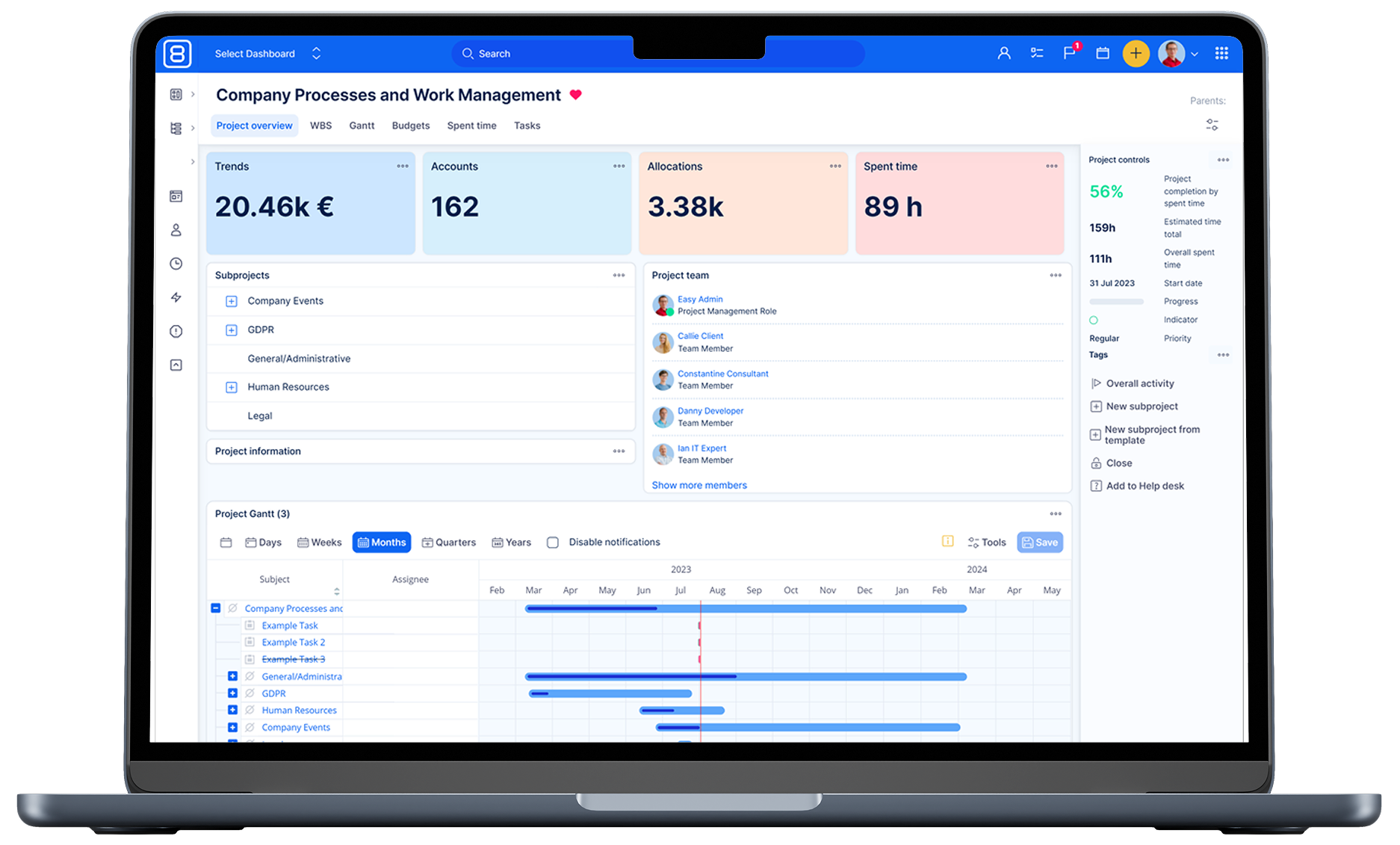
Alternatives to Jira Service Desk include several robust tools such as Easy8 HelpDesk, Zendesk, Freshdesk, Zoho Desk, SolarWinds Service Desk, and open-source options like Zammad and Redmine. These alternatives provide varying features like omnichannel support, automation, incident management, shared inboxes, customizable workflows, and knowledge bases.